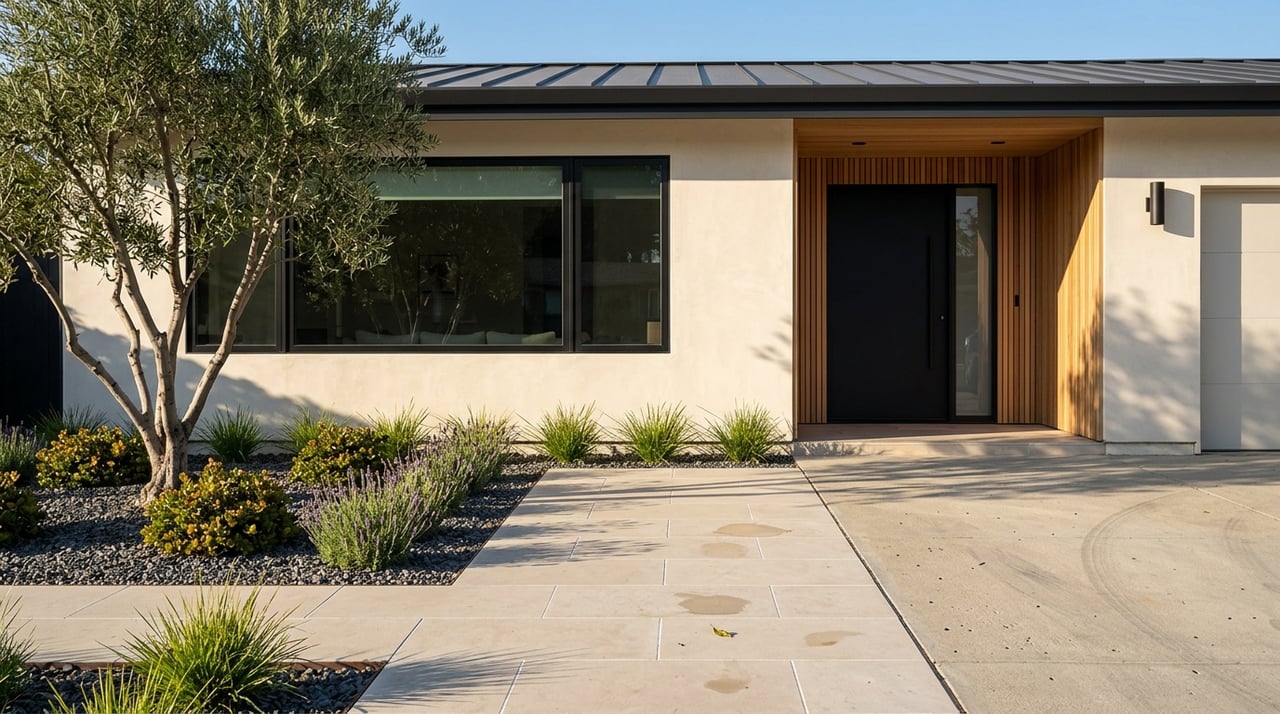
Curious why homes in South San Jose can look similar on one block and completely different a few streets over? That mix is part of what makes this area so interesting for buyers and sellers. If you are trying to make sense of the local housing stock, this guide will help you spot the most common home styles, understand what shaped them, and know what those design cues may mean for daily living and resale. Let’s dive in.
Why South San Jose Looks So Varied
South San Jose is not a single architectural district with one consistent look. City planning maps treat areas such as South San José, Almaden, Cambrian/Pioneer, Edenvale, and Evergreen as distinct planning areas, which helps explain why the housing stock changes from pocket to pocket.
A big reason for that variety is timing. San José’s residential growth accelerated in the 1950s and 1960s as surrounding agricultural land was annexed and developed, and the tract ranch became the most common house type. In larger southern annexations, styles often changed within just a few blocks.
Postwar Growth Shaped the Area
Much of South San Jose reflects postwar suburban development. As farmland gave way to neighborhoods, ranch homes became the defining form across much of the Santa Clara Valley.
These homes were practical for subdivision building and fit the suburban lifestyle of the time. You still see that legacy today in low-slung houses, attached garages, broad frontages, and floor plans that connect living spaces to the backyard.
Classic Ranch Is the Signature Style
If you picture a typical South San Jose home, you are probably picturing a ranch. This is the baseline look across much of the area, especially in neighborhoods built during the postwar boom.
Common features include:
- Single-story or split-level form
- Long, horizontal shape
- Low-pitched gable or hipped roof
- Attached garage
- Stucco, shingle, board-and-batten, or horizontal lap siding
- Large picture windows
- Sliding glass doors opening to the rear yard
For buyers, those details often signal an older tract home with a layout designed around everyday convenience. For sellers, they help explain why outdoor space and backyard presentation can play such a big role in how a home shows.
Tract Ranch vs Custom Ranch
Not every ranch home in South San Jose is the same. Some are straightforward tract ranches, while others lean more custom or California ranch in style.
Tract Ranch Features
Tract ranch homes usually have a more standardized look and layout. They tend to be simple, efficient, and broad rather than tall, with a clear emphasis on front-drive access and rear-yard living.
You may notice that even within the same subdivision, these homes can vary in roof shape, siding, and window treatment. That kind of mix is common in South San Jose and reflects how builders introduced several ranch subtypes within the same neighborhood.
Custom Ranch Features
Custom ranch and California ranch homes often feel larger and more open. City historic context describes these homes as having more rambling plans, stronger indoor-outdoor connection, coordinated landscaping, prominent two-car garages, and more glass.
In practical terms, that can mean a home feels more expansive on the lot even if it shares the same general ranch DNA. These properties often stand out for their site layout, curb appeal, and connection to outdoor living areas.
Storybook Ranch Pockets Still Stand Out
Some South San Jose areas include more decorative ranch variants. In the Blossom Hill Road area, including around Dartmouth Middle School and the Blossom Crest neighborhood, the city has identified neighborhoods that once featured a wide variety of Storybook Ranch homes.
These houses often used details such as:
- Asymmetrical gables
- Catslide roofs
- Decorative bargeboards
- Attached garages
Many of these homes have been remodeled or simplified over time, so the original style may not always be obvious at first glance. Still, these pockets add another layer to the South San Jose architecture story and can appeal to buyers who want something with a little more visual character than a standard tract ranch.
Townhomes Add a Different Look
South San Jose is not only about detached ranch homes. Newer attached housing introduces a very different architectural pattern, especially in places with more compact or urban development.
City design standards describe townhouses as homes that often have front-loaded garages and rear yards, while rowhouses are more likely to use alleys, rear-facing garages, and no backyard. These homes are often up to three stories and usually have more vertical, compact forms than ranch houses.
How To Spot a Townhome
If you are touring homes and want to quickly tell a townhome from a ranch, look for these clues:
- Taller profile
- Narrower footprint
- Shared walls
- Garage access from the front or rear
- Smaller private outdoor area or common open space
- More emphasis on direct street access, alleys, or pedestrian paseos
That attached-home trend is still active in South San Jose. The city has continued to plan and approve new townhouse development in areas such as Evergreen, and Communications Hill is another example of a more urban, pedestrian-oriented residential form with varied housing types and densities.
Hillside Homes Follow the Land
Hillside properties are one of the most site-specific parts of the South San Jose housing mix. Unlike flat-lot ranch neighborhoods, hillside homes often respond directly to grade, views, and slope.
City guidance defines hillside development as sites with slopes greater than seven percent or sites visible from off-site. Rather than forcing a flat building pad, the guidance recommends terracing and split-level solutions that work with the land.
Common Hillside Design Cues
You can often recognize a hillside home by features such as:
- Split-level floor plans
- Terraced pads or outdoor areas
- Stair-step rooflines
- Layouts that follow the slope
- Strong emphasis on views or elevation changes
If a listing highlights terraces, grade changes, or a layered site plan, it may be closer to the city’s hillside design model than to a standard tract home. That matters because the lot often shapes both the architecture and the day-to-day experience of the property.
Wildfire Context Matters
In South San Jose, location and topography can also affect planning considerations. The city notes that communities such as Almaden Valley and the East Foothills are especially vulnerable to wildfire, and Fire Hazard Severity Zone maps account for factors such as slope, fuel loading, fire weather, and winds.
For buyers looking at hillside or edge-of-hills locations, that context is worth understanding early. It does not define every property, but it can be part of the bigger picture when comparing home types and settings.
What Buyers Should Notice During Tours
When you walk through South San Jose homes, architecture is not just about looks. Style often gives you clues about floor plan, lot use, and how the home may live day to day.
A long, low roofline and broad frontage usually suggest a ranch with a yard-oriented layout. A taller, narrower footprint with shared walls usually points to a townhome. A split-level interior and terraced exterior often signal a hillside design shaped by slope.
These clues can help you narrow what fits your lifestyle. If you want easy indoor-outdoor flow, a classic or custom ranch may feel right. If you prefer a more compact layout with less yard upkeep, a townhome may be a better match.
What Sellers Should Know About Style
For sellers, understanding your home’s style helps you position it more effectively. Buyers often respond best when they can quickly see how a property fits into the local housing story.
A ranch home may benefit from highlighting yard access, picture windows, and everyday livability. A townhome may stand out for its vertical space, newer layout, and lower-maintenance setting. A hillside home may need marketing that clearly explains its terraced layout, view orientation, and site-specific design.
South San Jose also has an older housing stock in many areas, and the city notes that many homes have been remodeled over time with additions or exterior simplification. That means updates can add value, but thoughtful presentation matters because buyers often want to understand both the original style and the improvements.
Why Local Context Helps
Because South San Jose includes several planning areas and a wide mix of postwar development patterns, broad assumptions can be misleading. One pocket may be dominated by tract ranches, while another may include custom ranches, decorative Storybook variants, newer townhomes, or hillside properties with very different site conditions.
That is why local interpretation matters. When you understand the architecture of a specific pocket, it becomes easier to evaluate what is typical, what is rare, and how a home may compare with nearby properties.
Whether you are buying your first townhome, searching for a ranch with room to grow, or preparing to sell a long-held property, style is more than curb appeal. It is a practical lens for understanding layout, setting, and market positioning in South San Jose.
If you want help evaluating a home’s style, updates, and fit within the local market, the Tenczar Team brings neighborhood-level knowledge and full-service guidance to every step of the process.
FAQs
What is the most common home style in South San Jose?
- The most common style is the postwar ranch, especially tract ranch homes built during the 1950s and 1960s as San José expanded into former agricultural land.
How can you tell a South San Jose ranch from a townhome?
- A ranch home is usually lower, broader, and more yard-oriented, while a townhome is usually taller, more compact, and often shares walls with neighboring units.
Are there custom homes in South San Jose, or mostly tract homes?
- South San Jose has many tract ranch homes, but it also includes custom ranch and California ranch properties with larger plans, more glass, and stronger indoor-outdoor connection.
Where can you find more decorative ranch architecture in South San Jose?
- The city has identified Storybook Ranch pockets in the Blossom Hill Road area, including around Dartmouth Middle School and the Blossom Crest neighborhood.
What makes hillside homes in South San Jose different?
- Hillside homes often use split levels, terraced pads, and layouts that follow the slope, and some locations may also require closer attention to wildfire-related conditions.
Do home styles vary a lot within South San Jose neighborhoods?
- Yes. City historic context notes that styles can change within a few blocks, especially in larger southern annexations where California ranch, contemporary variants, and other tract ranch subtypes appear close together.
