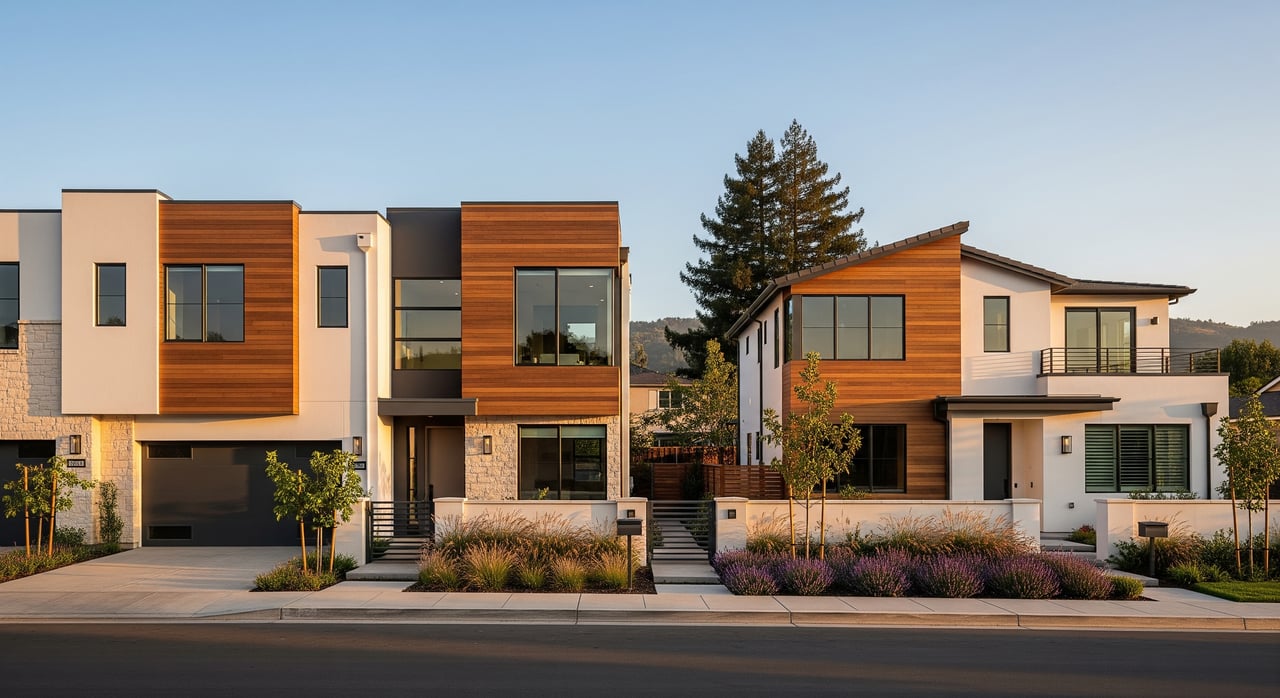
Trying to decide between a townhome and a single-family home in South San Jose? You’re not alone. Many buyers weigh space, budget, commute, and long-term value when choosing in Almaden, Santa Teresa, and Blossom Valley. In this guide, you’ll learn the real tradeoffs, how monthly costs differ, what to verify in HOAs and title reports, and smart steps to protect your investment. Let’s dive in.
South San Jose at a glance
Almaden: space and detached living
Almaden is known for predominantly single-family homes on larger lots. You’ll see more detached inventory and some hilly streets. If your priorities include privacy, yard space, and flexibility for future projects, Almaden’s housing stock often aligns with that plan.
Santa Teresa: a mix with variety
Santa Teresa offers a balanced mix of older single-family homes, townhome developments, and newer infill. You’ll find more variety in size and price than in Almaden. That mix can help you match your budget with the layout and maintenance level you prefer.
Blossom Valley: broad options, approachable entry
Blossom Valley has a wide range of single-family and attached homes. Many buyers view it as a more approachable entry point in South San Jose. You can compare mid-priced detached homes alongside townhome and condo-style communities in the same area.
Cost and financing differences
Total monthly cost, not just price
Purchase price is a major differentiator, but your monthly cost includes mortgage, property taxes, insurance, HOA dues if applicable, and utilities or upkeep. Townhomes typically come with a lower purchase price and lower exterior maintenance, which can reduce your monthly outlay. Single-family homes often carry a premium due to land value, lot size, and flexibility.
Property taxes and special assessments
California’s Prop 13 sets the base property tax structure, but some properties include parcel taxes or Mello-Roos community facilities district charges. These can appear on both attached and detached homes. Always review the county tax bill and preliminary title report to confirm any additional assessments.
HOA dues and potential assessments
Most townhomes operate under an HOA. Dues often cover exterior maintenance, common landscaping, roof or structure upkeep as defined in the documents, and insurance for shared areas. Amenity level, property age, and reserve funding all influence dues. Special assessments can occur if reserves are insufficient.
Single-family homes in South San Jose are often outside HOAs, though some planned developments or gated communities have them. Where present, the HOA’s scope can vary. Verify the CC&Rs, rules, and budget so you know what is covered and what is not.
Insurance basics
For single-family homes, you’ll typically carry a full homeowners policy that covers the structure and liability. In townhome communities, your coverage often pairs with an HOA master policy. Owners usually carry an HO-6 policy for interior finishes and personal property, plus any deductibles or items not covered by the master policy. Ask for the master policy details and confirm your individual coverage needs with your insurance advisor.
Financing and underwriting for attached homes
Lenders sometimes treat attached homes differently than detached homes. Certain projects may require condo or townhome project approval for FHA or VA financing, and some conventional lenders have project standards. Lenders may look at HOA reserves, delinquency rates, and owner-occupancy ratios. Rental restrictions in CC&Rs can influence investor loans and your future flexibility, so review them early.
Space, maintenance, and rules
Outdoor space and privacy
Single-family homes typically offer larger private yards that support gardening, outdoor living, or play space. You also have greater control over exterior improvements, subject to permits and local rules. Townhomes often have smaller patios or decks, along with shared green spaces and amenities. Expect less privacy and more shared walls, so noise considerations are part of the evaluation.
Maintenance and HOA governance
Townhome HOAs commonly handle exterior elements like the roof, siding, paint, and common area landscaping. You’re typically responsible for the interior and any limited exclusive-use areas. This can reduce your time commitment and provide predictable upkeep.
With single-family homes, you manage all exterior and interior maintenance. You gain control and customization options, but you also take on the full responsibility and cost. If you prefer hands-on projects and yard work, this can be a positive. If not, factor in vendor costs.
HOA governance matters. Review the CC&Rs, bylaws, rules, financial statements, reserve study, meeting minutes, and the insurance certificate. Risks to look for include low reserves, high delinquency, pending litigation, frequent special assessments, or restrictive covenants that limit improvements, solar installations, or rentals.
Parking, storage, and guest access
Single-family homes often include driveways and garages, with street parking varying by neighborhood. Townhome communities typically assign parking that may include a garage and reserved spaces. Guest parking can be limited and governed by rules. Confirm how parking is managed day to day.
Pets, noise, and rental rules
HOAs often regulate pets by size and number, and many set minimum lease terms or rental caps. Single-family owners generally have more flexibility, though local ordinances still apply. If you plan to rent at any point, confirm restrictions in the CC&Rs before you purchase.
ADUs and local planning constraints
California’s ADU policy expands options, but feasibility depends on lot size, setbacks, and any HOA restrictions. Flood zones, creek setbacks, and steep slopes may affect certain parcels in South San Jose, especially near creeks or in hilly Almaden areas. Check FEMA flood maps and local planning maps, and confirm permit pathways with the city.
Commute and daily life
Freeways and transit access
Major corridors like 85, 87, 101, and 280, plus local VTA service, shape day-to-day life across South San Jose. For many buyers, proximity to employers in South Bay, Cupertino, and San Jose matters more than property type. Compare real commute times from each neighborhood you are considering.
Walkability and local amenities
Parks, shopping, and access to community amenities vary by micro-neighborhood. School catchment areas also differ and can influence resale. Since these details are hyperlocal, evaluate them block by block and verify with official resources during due diligence.
Resale and long-term value
Who is your likely buyer later
Single-family homes often attract a broad buyer pool, including families, investors, and owner-occupants. In Silicon Valley, land scarcity tends to support demand for detached homes. Townhomes appeal to first-time buyers, downsizers, commuting professionals, and some investors. If a community has financing or rental restrictions, that can narrow the buyer pool.
Liquidity and market sensitivity
Attached housing can be more sensitive to financing shifts and interest rate changes. In tight inventory periods, well-priced townhomes can still sell quickly. In cooling markets, detached homes may retain value better because of the land premium. Plan your exit strategy and hold period with these dynamics in mind.
Where you can add value
Single-family homes offer more paths for value-add through expansions, permitted additions, ADUs, and exterior improvements. Townhome value-add is typically focused on interiors because HOAs limit exterior changes. If you enjoy renovating and want to capture upside, the detached route may offer more flexibility.
A practical buyer checklist
Lifestyle and use
- How important is private outdoor space for gardening, pets, or play?
- How much exterior maintenance do you want to handle versus pay through HOA dues?
- Do you need flexible expansion options like an ADU or additions?
- What are your parking needs, including guests and multiple vehicles?
Financial and monthly cost
- Add up mortgage, property tax, HOA dues, insurance, and estimated maintenance or utilities.
- Review the county tax bill and preliminary title report for parcel taxes or Mello-Roos.
- Request recent HOA budgets, reserve studies, and financial statements.
- Check meeting minutes for pending or recent special assessments.
Financing and legal
- Confirm with your lender if the project is eligible for your loan type, including FHA or VA if applicable.
- Review CC&Rs, bylaws, and rules for rental, pet, parking, and modification restrictions.
- Obtain the HOA insurance certificate, understand master policy coverage, and confirm your HO-6 needs if buying a townhome.
Condition and inspections
- For townhomes: check shared elements such as roofs, siding, and parking structures, and ask about last replacement dates.
- For single-family homes: inspect roof, foundation, grading and drainage, retaining walls, and fencing.
- In all cases: order a pest inspection and verify permits for past renovations with the city.
Resale and rental considerations
- Review comparable sales for both attached and detached options nearby.
- If you may rent, verify CC&R rental limits and local ordinances.
- Consider who your likely future buyer will be in that micro-neighborhood.
Verification sources to use
- County tax bill and preliminary title report for assessments.
- HOA documents, financials, meeting minutes, and insurance summary.
- Lender preapproval and any project review for attached homes.
- FEMA flood maps and local planning maps for floodplains, setbacks, or slopes.
- MLS comparables and local broker market reports for pricing and days on market.
- City and county permit records for code compliance.
How to choose the right fit
Start with your non-negotiables. If you want a yard, privacy, and the ability to add space later, a single-family home in Almaden, Santa Teresa, or Blossom Valley may be the better fit. If you prefer a lower-maintenance lifestyle with HOA-handled exterior care and a potentially lower entry price, a townhome can be a smart move.
Map your commute and daily routines, compare total monthly costs side by side, and test parking and noise during showings at different times of day. Finally, review HOA health, CC&Rs, and financing eligibility before you write an offer. Small details here can protect your budget and your flexibility later.
Ready to tour options and build a plan? The Tenczar Team provides buyer advocacy, neighborhood-level guidance in South San Jose, and full-service support from due diligence through closing. Let’s align your lifestyle, budget, and long-term goals with the right home.
FAQs
What are the main cost differences between townhomes and single-family homes in South San Jose?
- Townhomes often have lower purchase prices and HOA dues in place of some exterior maintenance, while single-family homes typically cost more due to land value and require you to budget for all maintenance and insurance independently.
How do HOAs impact day-to-day life in a townhome community?
- HOAs can reduce your maintenance burden by handling exterior and common areas, but they also set rules for pets, parking, rentals, and modifications, and they can levy dues or special assessments.
Are there financing hurdles specific to townhomes or condos?
- Some attached projects need lender or agency approval, and lenders may evaluate HOA reserves, occupancy ratios, or delinquency rates, which can affect loan options for buyers.
Can I add an ADU in South San Jose if I buy a single-family home?
- California policy expands ADU potential, but feasibility depends on lot characteristics, setbacks, any HOA rules, and local planning requirements, so verify with city resources before committing.
What should I check in HOA documents before buying a townhome?
- Review CC&Rs, bylaws, rules, budgets, reserve studies, meeting minutes, and the insurance certificate to understand restrictions, financial health, and coverage.
Which neighborhoods are better for resale, Almaden, Santa Teresa, or Blossom Valley?
- Resale depends on micro-location, inventory, and property type, so compare local comps and buyer demand in each neighborhood rather than relying on a single area-wide assumption.
